Temple facility is the first in Texas approved to use UV-only disinfection to meet all required standards
TEMPLE, TX (May 8, 2026) – The City of Temple's Membrane Water Treatment Plant has been featured in a national case study by Trojan Technologies for its innovative ultraviolet (UV) disinfection system and commitment to delivering safe, reliable drinking water.
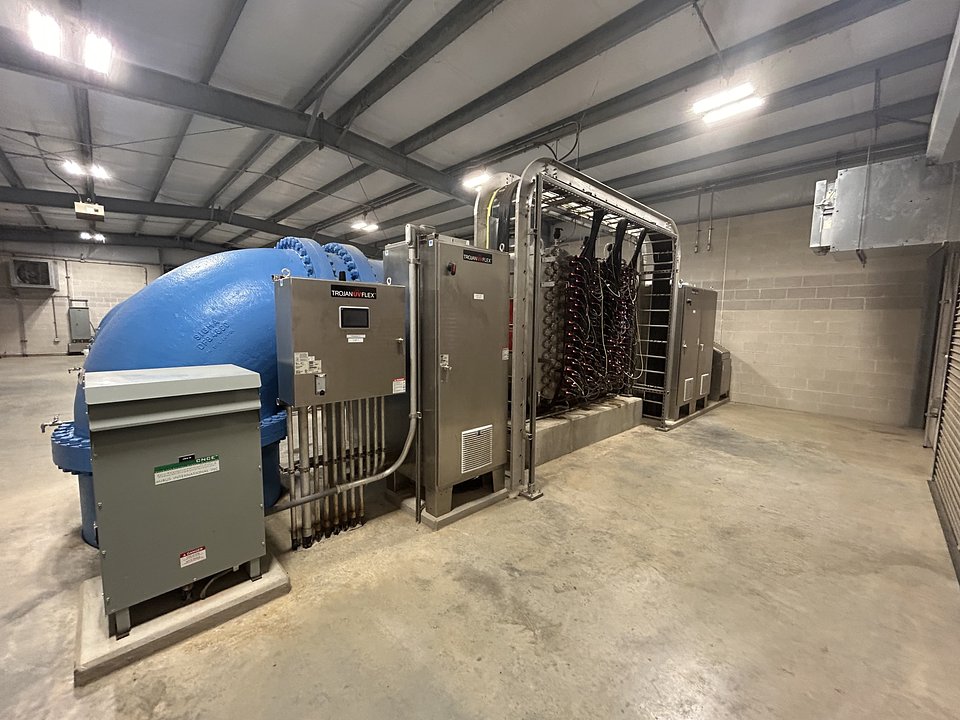
Temple’s facility is the first water treatment plant in Texas approved to use UV light to achieve all required disinfection credits for virus inactivation. While other plants in Texas utilize UV as part of their treatment process, Temple is the first to receive regulatory approval to rely on UV alone to meet disinfection requirements. Although the facility is approved to meet virus inactivation requirements using UV disinfection alone, the city continues to use chloramines throughout the distribution system to maintain a disinfectant residual and ensure water remains safe from the treatment plant to the customer’s tap.
This recognition speaks to the expertise of our utility professionals and the city’s commitment to forward-thinking infrastructure. This represents a significant advancement in the city’s water treatment and regulatory compliance capabilities.
Kenton Moffett P.E., Director of Utilities
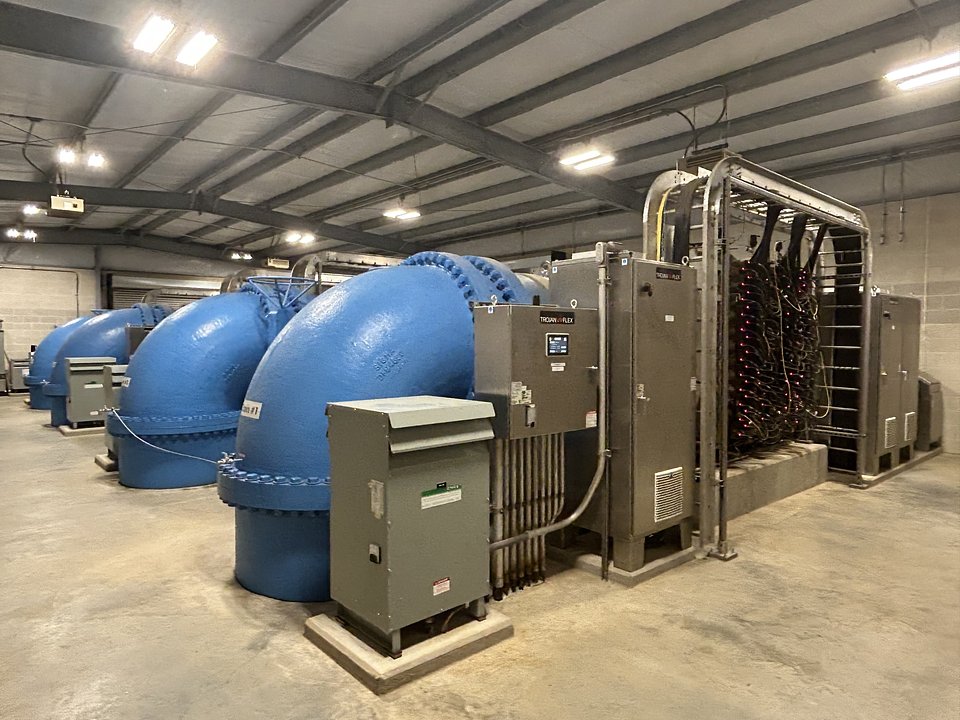
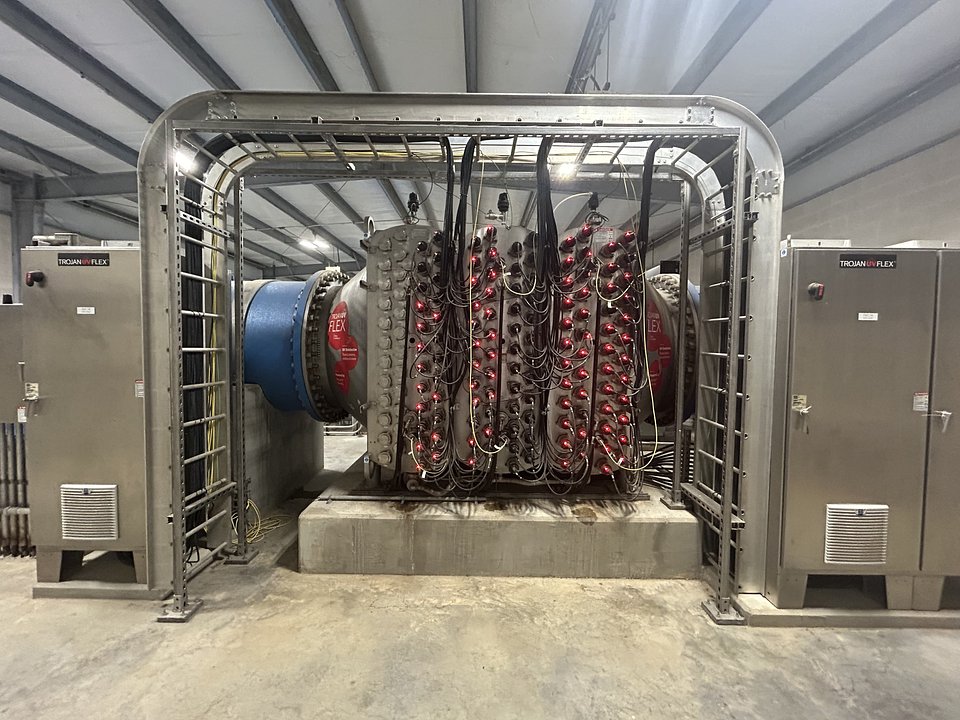
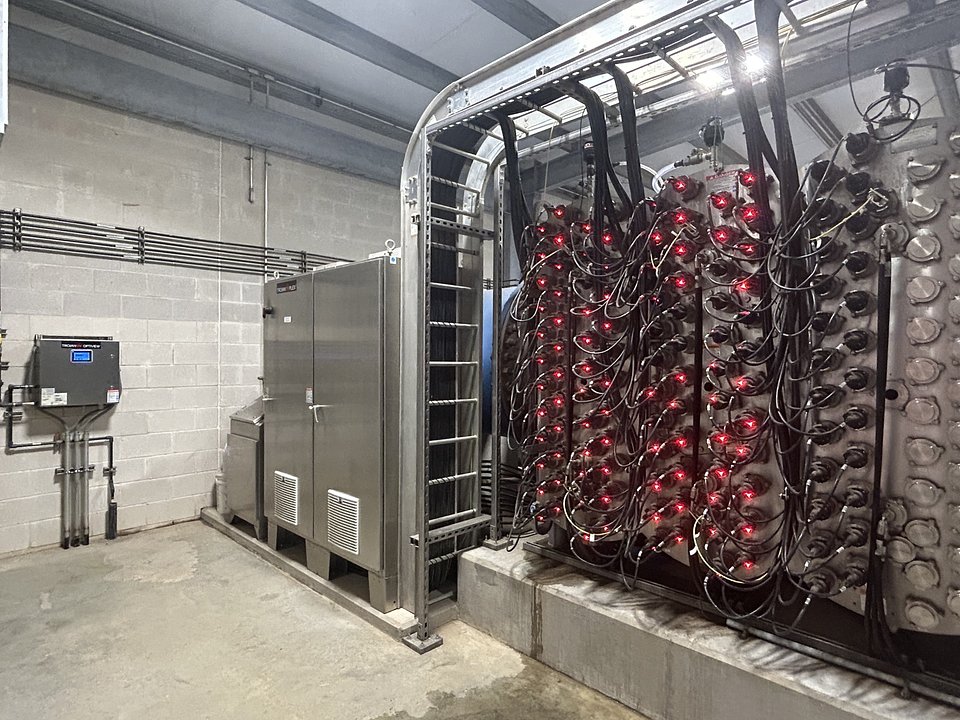
As part of the city’s Membrane Water Treatment Plant expansion, Temple installed the Trojan UV Flex 200 disinfection system
Ultraviolet disinfection uses high-intensity UV light to inactivate microorganisms without relying solely on traditional chemical disinfectants. This advanced treatment method provides an effective layer of protection against pathogens such as Cryptosporidium and Giardia, while helping reduce the formation of certain disinfection byproducts.
As part of the city’s Membrane Water Treatment Plant expansion, Temple installed the Trojan UV Flex 200 disinfection system, designed to achieve 4.0 log virus removal while reducing reliance on free chlorine during treatment. The expanded facility can treat up to 25 million gallons of water per day and was designed to operate independently from the city’s conventional treatment plant. Combined with existing facilities, Temple’s total water treatment capacity now exceeds 54 million gallons per day, strengthening long-term reliability for a growing community.
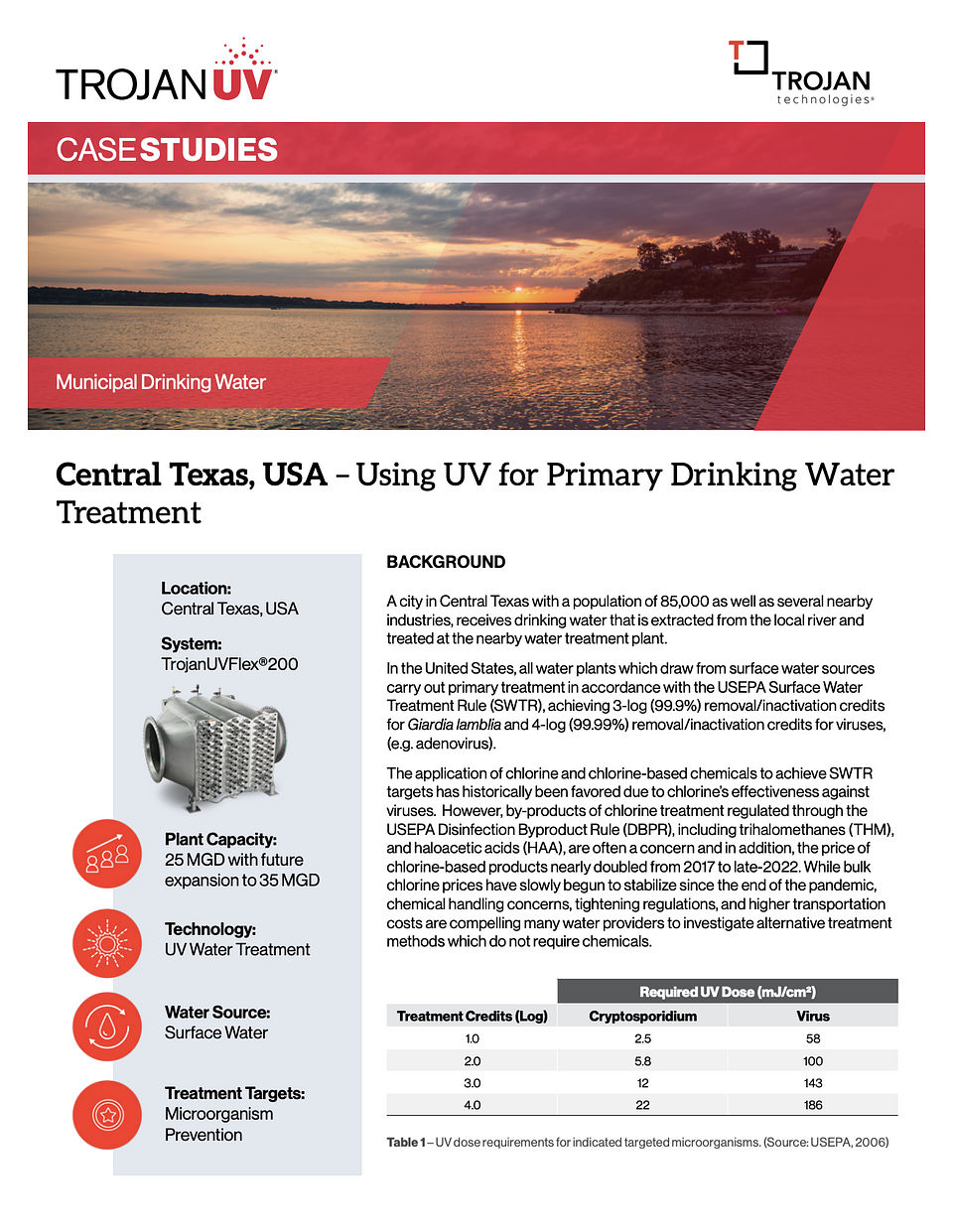
The City of Temple remains committed to delivering high-quality utility services through innovation and continued investment in critical infrastructure that supports public health, reliability, and long-term sustainability.
To read the full case study, visit trojanuv.com/resources.